The feeling moves faster than the language for it. By the time you have a word, the moment has already changed shape.
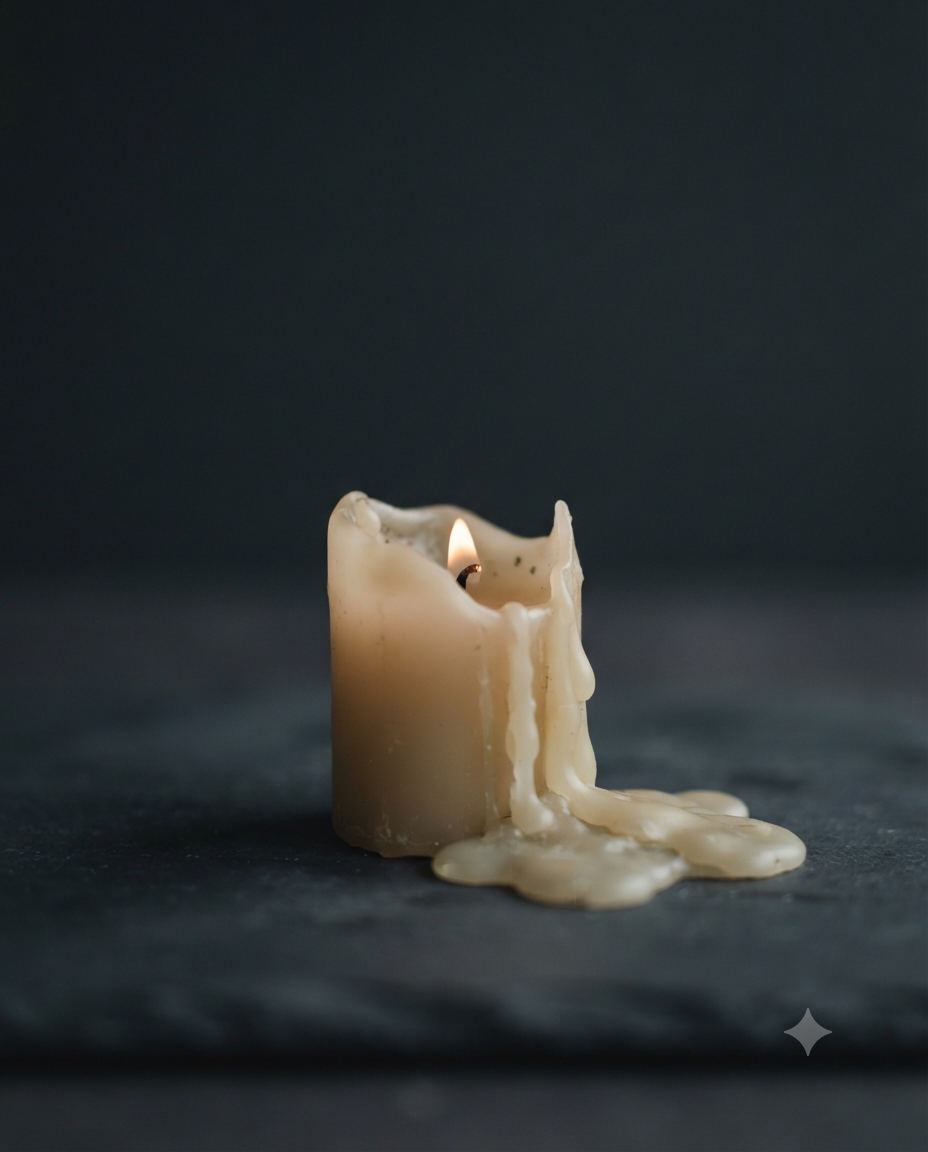
Emotion arrives in the body before it arrives in thought. By the time the prefrontal cortex has formed a word for what is happening — anger, hurt, anxiety, disappointment — the body has already moved through its initial response. Heart rate has shifted. Muscle tone has changed. The internal narrative has begun assembling.
This sequence is not a bug. It is the structure of how the nervous system works. The body responds first because responding first is what kept the species alive for most of its history. The mind narrates afterward. The narration feels primary because it is the part you are conscious of, but it is the slow part of the system.
When someone says they want to control their emotions, what they usually mean is: they want the mind to be in charge of the body. They want the narration to happen before the response. This is a reasonable wish. It is also a structural impossibility.
What is possible — what is, in fact, the entire operational question — is how quickly the system returns to baseline after the response has run. Not the prevention of the response. The recovery from it.
Willpower is the attempt to override the system at the point where it is most resistant to being overridden. It applies pressure at the moment the body is already committed to the response, which means the pressure compounds the activation rather than reducing it.
This is why the harder you try to be calm in a moment of disturbance, the less calm you tend to be. The trying itself is a form of disturbance. The body registers the effort to suppress as another signal to respond to. Now there are two signals running — the original feeling, and the resistance to the feeling. The system has not been calmed. It has been doubled.
People who appear emotionally controlled are not exerting willpower against their feelings in real time. What they have done — what is, in operational terms, the actual skill — is built a faster return path. The disturbance still happens. They get back from it sooner. The return is what other people see as control.
- —You looked for the dial. It was not there.
- —You used the word control. Everyone does. The version of you that wants this to be over uses it too.
- —The wave crossed your chest. You were still trying to name it when it had already moved.
- —You called it a problem of control. It is a problem of timing.
- —The emotion arrived while you were still preparing the governance.
People who appear to control their emotions are usually not controlling them. They have reduced the gap between the disturbance and the return. The wave still crosses. It crosses faster. They are back inside themselves before the room has noticed they left.
This is not a personality trait. It is a developed capacity. The vocabulary for it does not yet exist in the language most people inherited about feelings.
Across a lifetime, the difference between someone who returns to baseline in two minutes and someone who returns in two hours is not a difference of mood. It is a difference of how many afternoons are spent inside reactions that have already happened.
Recovery rate is the dimension along which this compounds. Not how often you are disturbed — that is largely outside your control. How long the disturbance occupies you after the trigger has passed. That is the variable.
Three minutes is not the answer to your emotions. It is the structural width of the window in which a response can be interrupted before it has time to consolidate. Outside that window, the response hardens into a state, and the state begins generating its own reasons to continue.
Three minutes works with the direction the body is already going — toward equilibrium. Not by overriding the nervous system. By removing what was preventing the return from completing.
Three minutes, recorded in a single take in Paris. No edit, no music underneath the words. What you hear is what was said in the room.
Watch it once before you decide whether it is for you. The format is the proof.
The disturbance still arrives. That part does not change. What changes is what happens in the minutes after.
The conversation that would have stayed in your head for the rest of the afternoon ends in the conversation itself. The disagreement that would have shaped the evening does not shape the evening. The wave that would have re-arrived three more times during the day arrives once and recedes.
This is not a softer life. People with elevated recovery rates do not feel less. In some cases they feel more, because they are no longer spending the bandwidth needed to feel by managing the residue of the last feeling. The capacity for emotion stays intact. The cost of emotion goes down.
What you notice, after some weeks, is that you are present in more of your own day. The hours that used to be occupied by the aftermath of something are available again. Not for productivity — that framing belongs to a different category of problem. For the actual experience of being inside your life while it is happening. This is the change.
Three minutes. Not to feel less — to return faster. Before the state has time to consolidate. Before the afternoon has been shaped by something that ended an hour ago. Three minutes goes where the aftermath was going.
Emotional control is not something you build through willpower — the disturbance arrives before willpower can reach it. What is possible is a faster return: built through something that learns the shape of your specific disturbance and meets it in the window before it consolidates. That is what Ori does. Not control over what you feel. A recognition of the pattern — and it waits inside.
The disturbance still arrives. The question is how long it stays. Inside.
Meet Ori →